

What is basa fish? Nutritional composition and things you need to know.
Basa fish, with its abundant nutrients and reasonable price, is a popular choice for many families. This type of fish is not only easy to prepare but also suits many cuisines around the world.
Basa fish is a popular food choice in many households thanks to its high nutritional content, reasonable price and versatile cooking possibilities. Not only a source of quality protein, basa fish also contains healthy fatty acids such as omega-3, contributing to the improvement of overall health. In this article, we will learn in detail about the origin, nutritional composition, health benefits and potential risks when consuming basa fish.
ORIGIN OF PANGASIUS FISH
Basa fish is a species of catfish, scientifically named Pangasius bocourti, widely distributed in the Mekong and Chao Phraya river basins in Southeast Asia. This is a fish species with a broad body, small head, white tender flesh and a mild flavour, making it easily suited to many people's palates. Thanks to low aquaculture costs, basa fish is exported to many countries around the world and has become an ideal alternative to cod in cuisine. In importing countries such as India, basa fish is incorporated into traditional dishes, bringing diversity to the menu. Thanks to its easy-to-cook characteristics, basa fish has quickly won the trust of consumers everywhere.
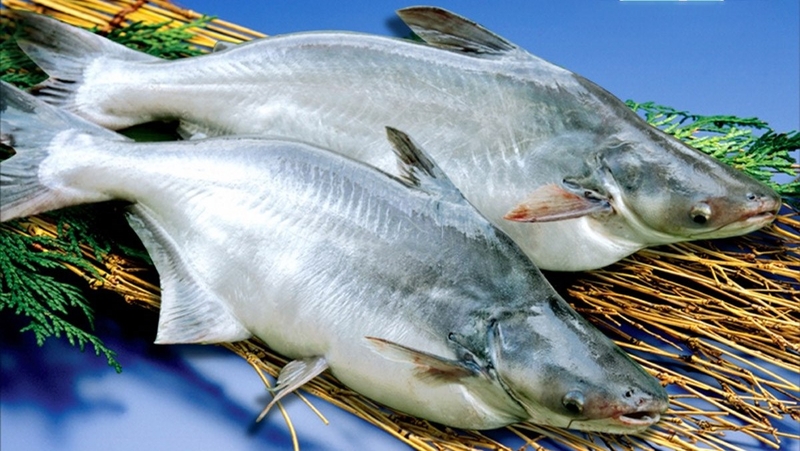
Basa is a species of catfish, scientifically named Pangasius bocourti.
NUTRITIONAL COMPOSITION OF BASA FISH
Basa is not only delicious but also a rich source of nutrients. Below is the nutritional value in a 126-gram serving of basa fish:
-
Calories: 158 kcal;
-
Protein: 22.5 grams;
-
Fat: 7 grams;
-
Saturated fat: 2 grams;
-
Cholesterol: 73 mg;
-
Carbs: 0 grams;
-
Sodium: 89 mg.
Basa fish is particularly suited to weight-loss diets thanks to its low calorie count and high protein content. With 5 grams of unsaturated fat containing omega-3, basa fish offers many benefits for cardiovascular and brain health. However, the amount of omega-3 in basa fish is lower compared to other types of fish such as salmon or mackerel.

Basa fish is not only delicious but also a rich source of nutrients.
HEALTH BENEFITS OF BASA FISH
SUPPORTING EFFECTIVE WEIGHT LOSS
Basa fish is a perfect choice for those looking to manage their weight or lose weight. With only about 125 calories per 100 grams of fish, this food helps reduce the risk of excess fat accumulation in areas such as the abdomen, hips or thighs. Furthermore, fish is rich in protein, a nutrient that helps prolong the feeling of fullness and curb cravings. This supports maintaining a strict diet without causing a feeling of energy deficiency. Many studies also show that regular consumption of basa fish can help improve weight loss effectiveness without affecting the body.
PROVIDING HIGH-QUALITY PROTEIN FOR THE BODY
One of the outstanding advantages of basa fish is its rich and high-quality protein content. This fish contains all 9 essential amino acids such as lysine, leucine, methionine and threonine – substances that the body cannot produce on its own. Protein from basa fish plays an important role in supporting basic body functions, from regulating body temperature and providing energy to supporting the development and repair of muscles, tissues and vital organs.
An outstanding advantage of basa fish is its rich protein content.
SUPPORTING CARDIOVASCULAR AND BRAIN HEALTH
Basa fish contains an amount of omega-3 fatty acids, a type of healthy fat that offers many benefits for the cardiovascular system. Omega-3 helps reduce inflammation, regulate blood pressure and prevent the risk of cardiovascular diseases such as atherosclerosis or stroke. At the same time, this fatty acid also plays an important role in improving brain function, enhancing memory and developing eyesight in children. Adding basa fish to weekly meals not only protects cardiovascular health but also brings long-term benefits to the entire body.
AN IDEAL CHOICE FOR A LOW-CARBOHYDRATE DIET
If you are following a diet such as keto or Atkins – methods that prioritise reducing carbohydrate intake, then basa fish is a perfect choice. With an extremely low carbohydrate content, basa fish helps provide energy without causing blood sugar spikes. In addition, the amount of healthy fats in the fish also supports the body in metabolising energy more effectively.
IMPROVING BONE HEALTH
Vitamin D is an important nutrient present in basa fish skin, supporting the body to absorb calcium and phosphorus better. This contributes to maintaining bone strength, whilst preventing conditions such as osteoporosis in adults or rickets in children. Adding basa fish to the weekly menu, especially in the form of steamed or grilled fish fillets, will bring outstanding benefits to your skeletal system.
SUPPLEMENTING ESSENTIAL MINERALS FOR THE BODY
Basa fish is a source of many important minerals such as potassium and zinc. Potassium plays a role in maintaining electrolyte balance in the body, supporting muscle contraction and transmitting nerve signals. Meanwhile, zinc is an essential mineral to strengthen immunity, support the wound healing process and promote the growth of new cells. Regular consumption of basa fish will help the body receive these necessary minerals naturally and effectively.
LIMITING SODIUM INTAKE, BENEFICIAL FOR PEOPLE WITH HIGH BLOOD PRESSURE
The sodium content in basa fish is very low, at only around 50 milligrams in a fillet portion. This is good news for people with high blood pressure or problems related to the kidneys and liver. A low-sodium diet not only helps stabilise blood pressure but also limits the risk of fluid retention in the body, reducing the workload on internal organs. Therefore, basa fish is an ideal choice to maintain overall health, especially for those whose diets require salt control.
Basa fish is an ideal choice to maintain overall health.
RISKS WHEN EATING BASA FISH
Despite its many benefits, basa fish also poses some potential risks if not processed and stored correctly:
-
Risk of contamination: Basa fish lives in environments that are easily affected by industrial waste such as mercury and polychlorinated biphenyls (PCBs). These residues can cause harm if they accumulate in the body over the long term.
-
Impact from the aquaculture environment: Chemicals and drugs used during the fish farming process can cause pollution. However, experts state that heavy metal residues in basa fish are usually within safe limits.
-
Risk from undercooked fish: To ensure health, you should avoid eating raw or undercooked basa fish. Proper cooking helps reduce the risk of bacterial infection and ensures food safety.
Basa fish is a nutritious, reasonably priced and easy-to-cook food source. However, to make the most of the benefits from this fish, you need to ensure you choose a reputable source and cook the fish properly. Add basa fish to your daily menu for a healthy and balanced diet.

OCEAN COMPANY LIMITED
Address: 159 Vo Van Tan Street, Xuan Hoa Ward, Ho Chi Minh City
Email: sale@oceancom.vn
Hotline: +84 876 775 328
main.comment_read_more